(484) 482-8809 Appointment

Liposuction

Philadelphia

Top Doctor Main Line Today Philadelphia Top Doctor Realself Verified Doctor Haute | Beauty Contributor Top Doctor Main Line Today Philadelphia Top Doctor Realself Verified Doctor Haute | Beauty Contributor Top Doctor Main Line Today Philadelphia Top Doctor Realself Verified Doctor Haute | Beauty Contributor

Feel Lighter and Leaner in Philadelphia

Liposuction can help shape areas that still have stubborn fat after your weight has stabilized. You might notice a more defined waist, smoother lines from your back to your hips, or less fullness under your chin. The key is whether the fat can be reached with liposuction, if your skin can adjust after the procedure, and how the area fits with your overall shape.

At StarkMD Plastic Surgery & Aesthetic Center in Bryn Mawr, Dr. Ran Stark and Dr. Carey Campbell help patients from Philadelphia and the Main Line plan their liposuction. They offer different techniques, such as S.A.F.E. and VASER liposuction. During your consultation, you can talk about the area you want to improve and work with your surgeon to create a realistic plan.
HEALTHY

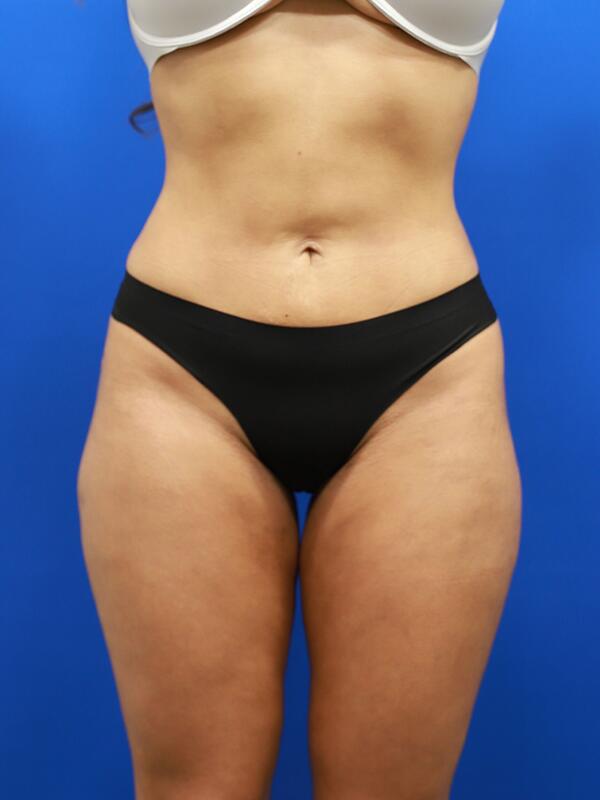
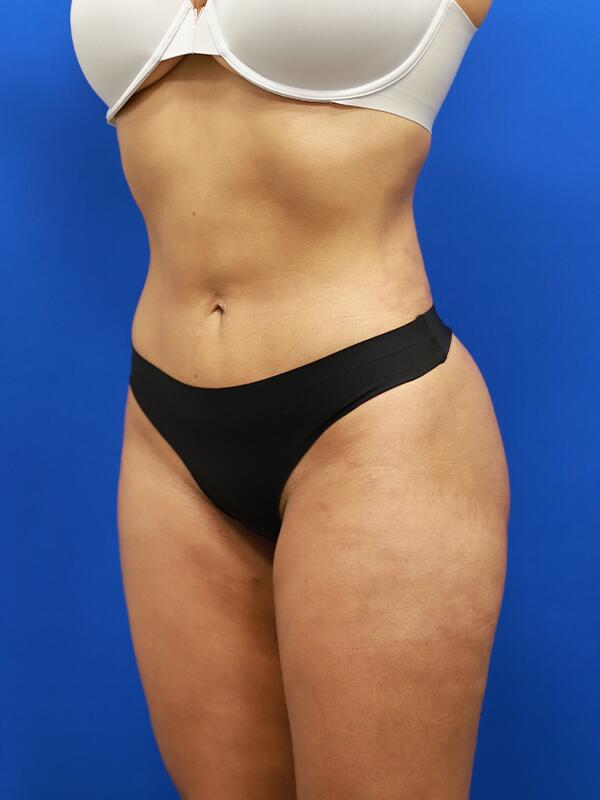
Philadelphia liposuction model in a black swimsuit

Get a customized video series on this treatment from StarkMD Plastic Surgery & Aesthetic Center. These videos will walk you through the process and help you make informed decisions with clarity and confidence.

What Is Liposuction?

Liposuction is a surgery that removes certain fat cells from under the skin using a small incision and a thin tube called a cannula. This procedure targets unwanted fat in areas like the abdomen, waist, back, thighs, arms, knees, or under the chin. The goal is to improve your body’s shape and proportions, not to reach a specific weight.

Once fat cells are removed from an area, they don’t come back. However, the fat cells that remain can still get bigger if you gain weight, which can change your results. Liposuction doesn’t remove skin. If your skin is already loose, removing fat might make the looseness more noticeable. These factors help decide if liposuction by itself is the right choice.

Philadelphia liposuction model in blue dress in a wheat field

What Are the Benefits of Liposuction?

Liposuction lets you target specific areas where you want to reduce fat. Even if you’re at a healthy weight, you might have stubborn fat at your waist or upper arms that affects how your clothes fit. Removing fat from these spots can help your body look more balanced. The aim is to create smoother lines, not just to make an area smaller.

Body contouring with liposuction works best when you have stubborn fat under the skin that still has some elasticity. It also allows your surgeon to improve the shape of several connected areas at once. There are limits, though: liposuction doesn’t fix cellulite, deep belly fat, or a lot of loose skin. Understanding what causes the shape you want to change can help you decide if liposuction is right for you.

What Areas Can Liposuction Treat?

The abdomen and flanks are common treatment areas, but they’re far from the only ones. StarkMD also treats the back, hips, thighs, knees, upper arms, and neck, including a double chin caused by fat. The relevant question is how these areas of the body connect to their neighbors. A flank may appear prominent because of fat at the waist, the lower back, or both. Treating one small patch without considering that transition can leave an uneven line. You might have liposuction on one area or on several connected areas. The amount of fat removed from each spot should help create a smooth, natural look.

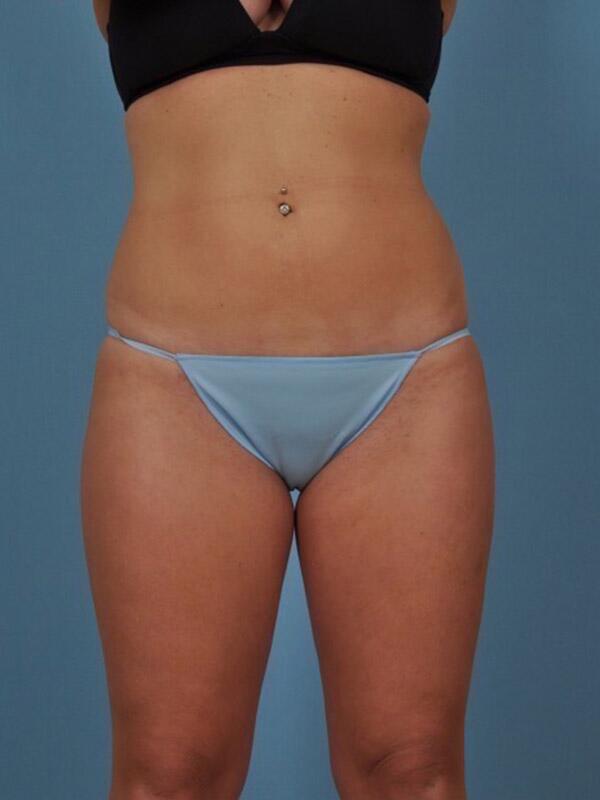
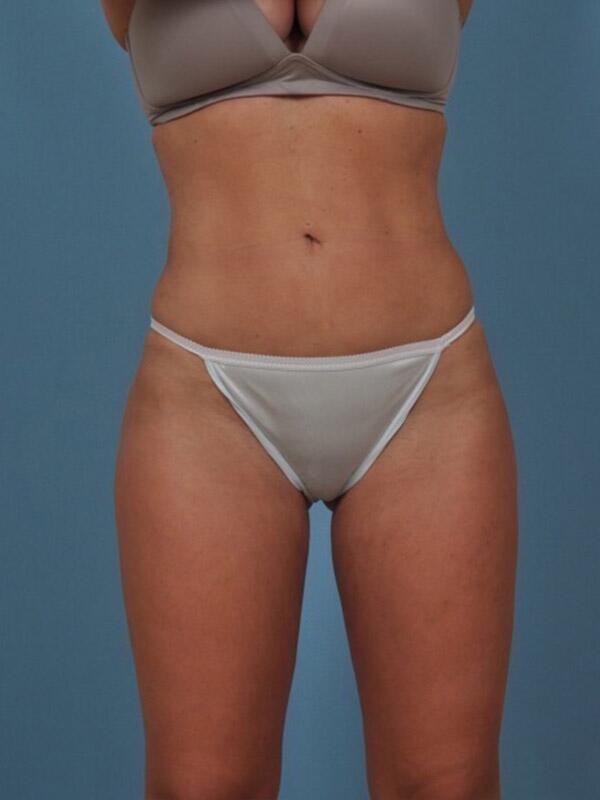
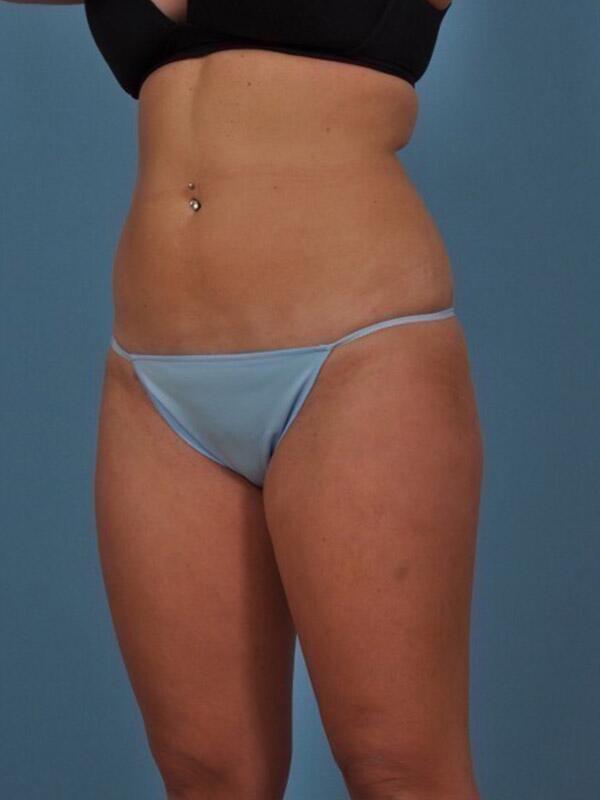
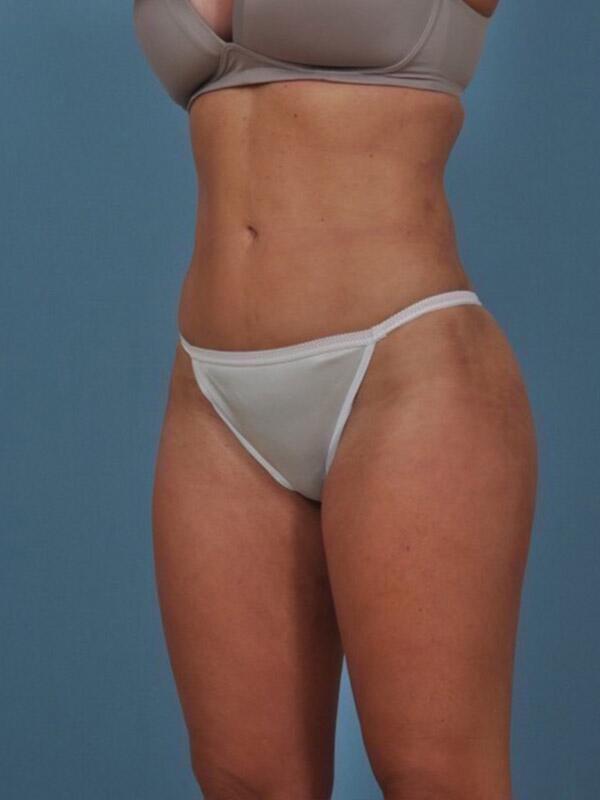
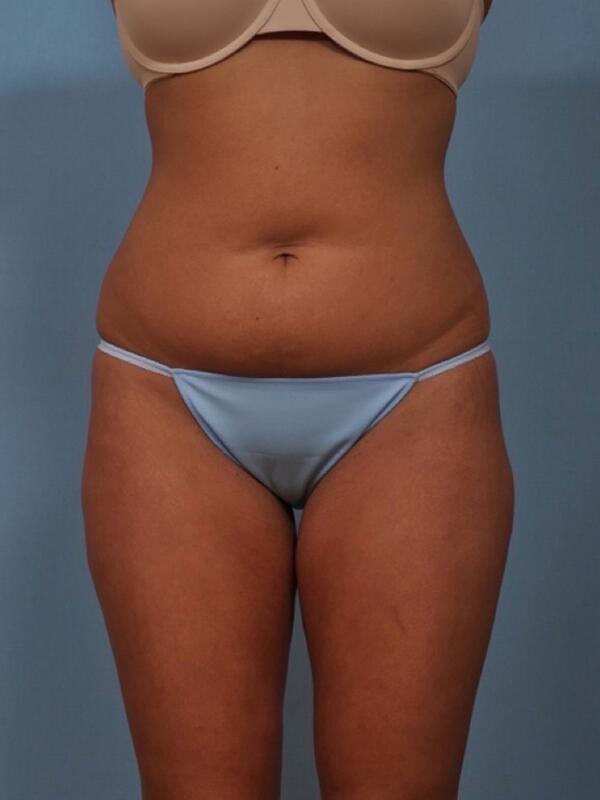
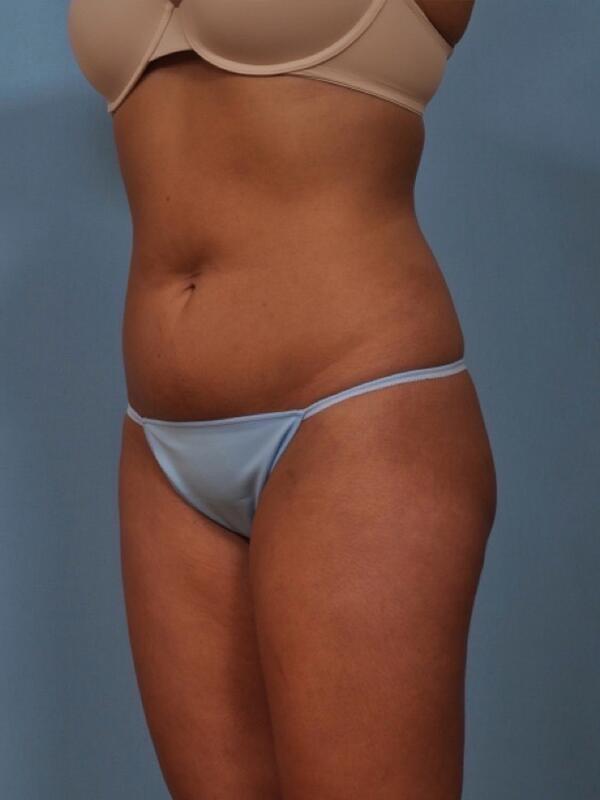
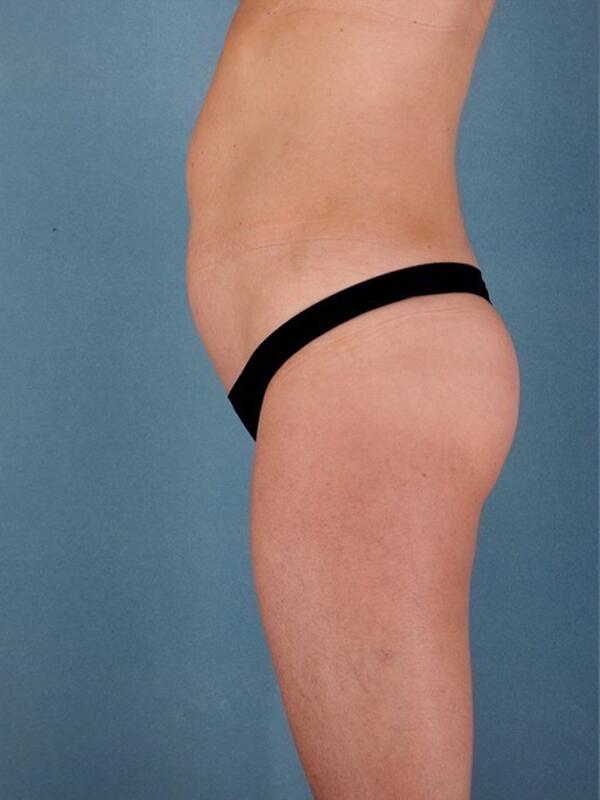
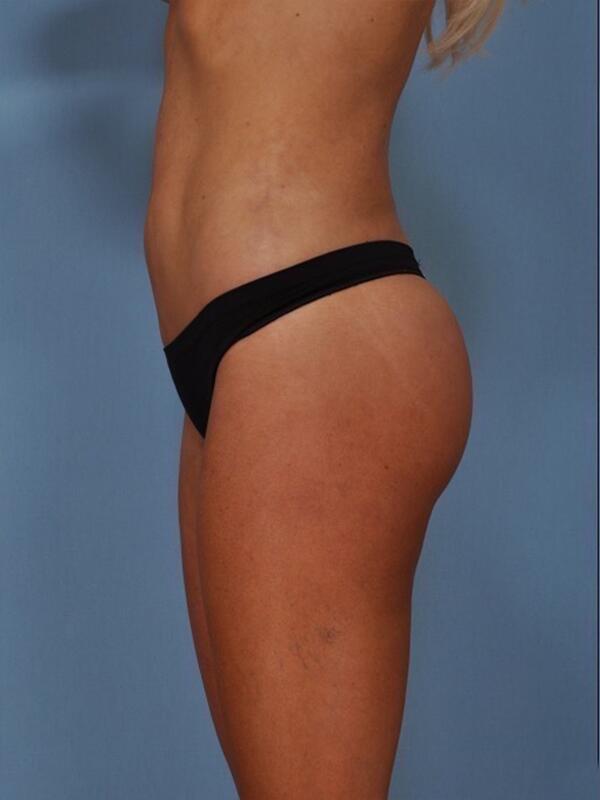
You can look at StarkMD’s liposuction before-and-after gallery to see examples of different treatment areas and results. These photos can help you talk about your goals, but remember that your own results will depend on your skin and body type.

Philadelphia liposuction model with her hands on her hips

Am I a Good Candidate for Liposuction?

Good candidates for liposuction are healthy, at a stable weight, and have a specific area of fat that hasn’t changed with diet and exercise. Skin elasticity is important because your skin needs to adjust after fat is removed. For example, a nonsmoker with firm skin may have more options than someone whose skin is loose after pregnancy or major weight loss.

During a consultation, your plastic surgeon will review your health history, medications, previous operations, weight changes, and the areas you want treated. The physical examination helps determine how much of the fullness is fat beneath the skin, how much comes from skin or muscle, and whether the desired change is realistic. If liposuction is unlikely to address the main concern, that should be clear before you plan surgery.

What Can Liposuction Change About the Abdomen?

Abdominal fullness can come from fat just beneath the skin, deeper fat inside the abdominal cavity, loose skin, or separation of the abdominal muscles. Liposuction can remove some of the fat beneath the skin. It cannot reach deeper abdominal fat, repair separated muscles, or remove a fold of excess skin.

Two people asking for “stomach lipo” may receive different recommendations. A patient with a localized fat layer and resilient skin may be a good candidate for liposuction alone. Someone whose main concern is loose lower-abdominal skin may benefit more from a tummy tuck. When both fat and skin contribute, the procedures may be combined. Your surgeon can show you which tissue is responsible for the contour you see and what each option would change.

Which Liposuction Technique Is Right for Me?

StarkMD offers several techniques. Their names describe how fat is loosened or where treatment is focused. They do not replace an examination. The liposuction technique your plastic surgeon recommends depends on the area, the amount and distribution of fat, tissue quality, prior surgery, and the contour you want to preserve.

S.A.F.E. Liposuction

S.A.F.E. stands for separation, aspiration, and fat equalization. The method emphasizes removing fat while leaving a smooth layer beneath the skin and blending the edges of the treated area. It may be considered when a broad contour needs refinement, including the abdomen, back, flanks, arms, or thighs. The technique cannot correct skin that needs excision.

VASER Liposuction

VASER uses ultrasound energy to help loosen fat before it’s removed. In traditional liposuction, the cannula mechanically loosens the fatty tissue. StarkMD uses VASER as an option for selected revision and high-definition cases. As with any assisted technique, the choice has to be justified by the tissue and surgical goal. Ultrasound does not eliminate the usual risks of liposuction or guarantee a shorter recovery.

High-Definition Liposuction

High-definition work aims to reveal existing muscular landmarks through selective fat removal. It calls for careful patient selection and a different contouring goal from reducing a general pocket of fat. Patients interested chiefly in abdominal or arm definition can read more about high-definition liposuction at StarkMD.

Lipo 360

Lipo 360 describes treatment around the midsection, commonly including the abdomen, flanks, and back. It is an area-based plan, not a separate device. For someone whose waist looks different from the front than it does from the side, considering the full circumference can make the recommendation more coherent. The number of areas treated still needs to fit the patient’s health and a safe surgical plan.

Tumescent Liposuction

StarkMD’s surgeons also use a tumescent solution during liposuction. The fluid contains a local anesthetic and medication to reduce bleeding as fat is removed. It can be used alongside other approaches. Anesthesia is a separate decision and may vary with the extent of surgery, so ask your surgeon what’s planned for your procedure.

What Happens During Liposuction Surgery?

The liposuction procedure begins with markings that identify the target areas and the transitions your plastic surgeon intends to preserve. A tumescent solution is placed in the treatment area, then a cannula is passed through small incisions to remove fat. The surgeon evaluates the contour as the work progresses, including how the treated area meets nearby tissue. The amount removed is limited by safety and by what the skin and surrounding shape can support.

StarkMD performs liposuction in its private surgical facility in Bryn Mawr. Depending on the number of areas and the plan, surgery may use twilight sedation or general anesthesia. Your surgeon will explain the recommended setting, anesthesia, and expected length of surgery after examining you. Ask whether another procedure is being proposed and how that would affect recovery.

How Much Fat Can Be Removed During Liposuction?

There is no useful target in pounds that applies to every patient. The amount of fat removal depends on your health, the number and size of treatment areas, and the contour that can be achieved safely. Removing a greater volume does not necessarily improve body contouring. Taking too much from one area may leave a hollow or an abrupt edge. Your plastic surgeon can explain the planned extent of the procedure and why that amount makes sense for your body. If your main goal is substantial weight loss, liposuction is unlikely to be the recommended treatment.

Combining Liposuction With Other Procedures

Liposuction is sometimes paired with a tummy tuck when excess skin and fat both contribute to the abdominal shape. In a fat transfer operation, liposuction supplies tissue for fat grafting to another area. StarkMD offers fat transfer breast augmentation and a Brazilian butt lift, each with its own candidacy and safety considerations. The donor area still needs a sound contour plan. Combining procedures can change operating time, recovery, and cost, so your surgeon should explain the value of addressing them together before you decide.

What Is Liposuction Recovery Like?

Expect swelling, bruising, soreness, and some temporary changes in sensation. The first several days usually require rest and short walks. How quickly you return to work depends on the amount of fat removed, the areas treated, and the physical demands of your job. A small, isolated treatment can have a different recovery from several areas treated together.

Your team may ask you to wear a compression garment to support the treated area while swelling settles. Follow the schedule they give you for the compression garment. It doesn’t make loose skin disappear, but it is part of postoperative care. Strenuous exercise and heavy lifting usually wait until your surgeon clears them. Some patients return to desk work within several days, while intense exercise requires a longer pause. Your own instructions may differ.

Call the practice about worsening pain, unusual swelling, fever, shortness of breath, or another symptom that concerns you. Liposuction is surgery, and complications can include infection, fluid accumulation, changes in sensation, contour irregularities, injury to blood vessels, anesthesia problems, and blood clots. Your consultation should cover the risks that matter for your health and treatment plan.

When Will I See Liposuction Results?

You may notice a change soon after surgery, but swelling can conceal the final results. The shape becomes clearer over the following weeks and months. Results may take roughly three to six months to emerge, with timing dependent on healing and the amount treated. Small irregularities can look different while tissue is swollen, so early photos are a poor basis for judging the outcome.

Maintaining a stable weight helps preserve the contour. Liposuction does not stop the remaining fat cells from enlarging, and it does not prevent later changes in skin quality. The most useful result is one that makes sense with the rest of the body rather than an isolated area made as small as possible.

Philadelphia liposuction model with blonde hair sitting on a chair

How Much Does Liposuction Cost in Philadelphia?

StarkMD’s pricing page currently lists liposuction at $3,500–$8,000 per area. The total depends on how many areas are treated, the complexity of the plan, anesthesia and facility needs, and whether another procedure or an energy-based skin-tightening treatment is included. Cosmetic liposuction is generally paid out of pocket.

The cost discussion is more useful once you know which areas actually need treatment. A consultation gives you a proposed surgical plan and an opportunity to ask what the quote includes, what recovery may require, and whether a different procedure would address your concern more directly.

Why Choose StarkMD for Liposuction?

At StarkMD, Dr. Ran Stark and Dr. Carey Campbell offer body contouring from the practice’s Bryn Mawr surgical center. Dr. Stark is board certified in plastic surgery and general surgery. Dr. Campbell is board certified in plastic surgery. The practice lists several liposuction methods, but the value of that range is the ability to choose a method for a specific anatomical problem. A good plan identifies where fat removal will help, where skin or muscle limits the result, and how the treated areas should blend into the body around them.

You can bring photographs, questions about a previous procedure, or a description of what has changed after pregnancy or weight loss. The consultation is where those details become a practical plan, including the likely extent of surgery, risks, recovery, and cost. If the recommendation is a tummy tuck or another treatment, you should understand why.

Meet Dr. Stark right arrow

STARK

Philadelphia liposuction surgeon, Dr. Ran Stark
Newsweek US Plastic Surgeons Logo
The Aesthetic Society Logo American Society of Plastic Surgeons American College of Surgeons International Society of Aesthetic Plastic Surgery American Board of Plastic Surgery The American Board of Surgery Fellow American College of Surgeons Northeastern Society of Plastic Surgeons International Society of Aesthetic Plastic Surgery Patient's Choice Award
The Aesthetic Society Logo American Society of Plastic Surgeons American College of Surgeons American College of Surgeons American Board of Plastic Surgery The American Board of Surgery Fellow American College of Surgeons Northeastern Society of Plastic Surgeons International Society of Aesthetic Plastic Surgery The Aesthetic Society Logo American Society of Plastic Surgeons American College of Surgeons American Board of Plastic Surgery American College of Surgeons The American Board of Surgery Fellow American College of Surgeons Northeastern Society of Plastic Surgeons International Society of Aesthetic Plastic Surgery Patient's Choice Award

Liposuction FAQs

Can liposuction tighten loose skin?

Liposuction removes fat, and the skin may settle as swelling resolves. The degree of contraction depends on skin quality. Significant loose skin usually needs a procedure that removes it. StarkMD also offers BodyTite for selected patients seeking fat reduction with skin tightening. Your surgeon can explain whether that option, liposuction alone, or surgery to remove skin fits your anatomy.

Can liposuction remove belly fat permanently?

The fat cells removed from the treated area are gone, but remaining cells can enlarge if you gain weight. Liposuction treats fat beneath the skin and can’t remove fat stored inside the abdomen. If your main concern is a firm, rounded abdomen caused by deeper fat or a separated abdominal wall, the consultation may point toward a different plan.

How many areas can be treated at once?

The answer depends on the size of the areas, the amount of fat to remove, your health, and whether another procedure is planned. Treating more areas in one operation can lengthen surgery and change your recovery needs. Your surgeon can explain which areas contribute most to the contour you want and whether treating them together is appropriate.

What Will Liposuction Scars Look Like?

Liposuction requires small incisions, so scars are expected. Their number and placement depend on the areas treated and the technique used. Incisions often fade with time, though individual healing varies. Ask where yours would be placed and what scar care the practice recommends.

Is liposuction a weight-loss procedure?

No. Liposuction changes the contour of selected areas; it is not a treatment for obesity or a substitute for weight management. Weight loss surgery addresses a different need. This cosmetic procedure works best when you are near a weight you can maintain. If your weight is still changing, your plastic surgeon may recommend waiting so the surgical plan reflects the shape you’re likely to keep.

Starkmd plastic surgery s logo

Schedule a Liposuction Consultation

The right plan depends on the tissue behind the fullness, the quality of your skin, and the amount of change you want. Meet with StarkMD in Bryn Mawr to discuss candidacy, technique, recovery, risks, and a quote for your proposed surgery. You can request a consultation when you’re ready to compare your options.

Philadelphia plastic surgeons Dr. Ran Stark and Dr. Carey Campbell bring decades of experience and training to each consultation. When you meet with our surgeons, they take the time to give you information and options, so you can have confidence in your decision to move forward with the best procedure for you. Confidence. Personalized care. Impeccable results. That’s the Stark Difference. Discover that difference yourself by scheduling a consultation today.

135 South Bryn Mawr Ave, Suite 220, Bryn Mawr, PA 19010

By submitting this you agree to be contacted by StarkMD Plastic Surgery & Aesthetic Center via text, call or email. Standard rates may apply. For more details, read our Privacy Policy.